How Property Managers in the GTA Can Leverage Custom Site Signage
Clarify property identity and access
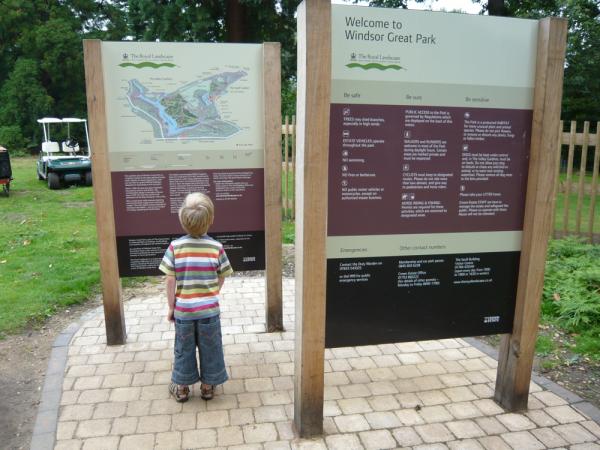
Clear site signage helps people understand where they are and how to navigate the property. Monument signs, post and panel signs, and building identification signs are commonly used at entrances and along road-facing edges. These signs are designed for outdoor exposure and can be fabricated in weather-resistant materials like aluminum or durable plastics, which are commonly used for architectural and commercial signs.
For multi-building sites, consistent naming and numbering reduces confusion for visitors, deliveries, and emergency services.
Improve wayfinding for tenants and visitors
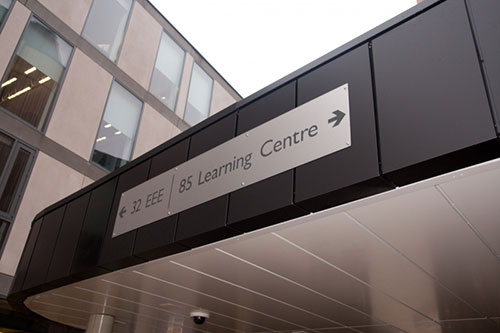
Wayfinding and directory signs help guide people through parking areas, entrances, elevators, and common spaces. Simple layouts and legible text are important, especially for people moving through the site quickly. Practicing progressive disclosure—showing only the information needed at each decision point—keeps signs easy to read and reduces clutter.
Wayfinding and directory systems are commonly part of regulatory and traffic control signage, which are used in commercial and residential properties.
Use parking and traffic signs to reduce issues
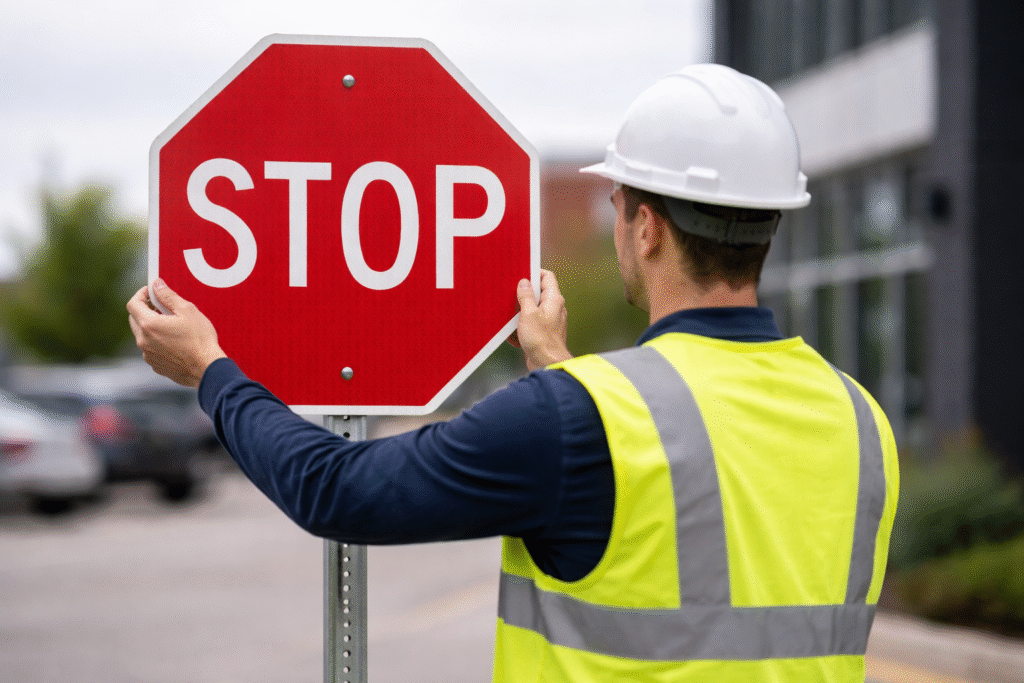
Parking signs are critical for managing shared spaces. Clearly marked “No Parking,” visitor parking, loading zones, and directional arrows help prevent disputes and improve safety. These signs are typically reflective so they remain visible at night and are designed to withstand year-round outdoor conditions, including snow and extreme temperatures. More details on materials and placement can be found on the parking signs page.
Consistent placement and standard wording make enforcement easier and expectations clearer for tenants and guests.
Support compliance with regulatory signage
Property managers are often responsible for ensuring sites meet accessibility and safety requirements. ADA / AODA / Braille signs, warning signs, and safety signage are commonly required in common areas and building interiors. These signs are part of broader regulatory sign systems and should be installed where they are visible and easy to understand.
When permits are required, sign companies can assist with determining requirements and coordinating applications before installation.
Want to chat with a professional?
Let us contact you!
Balance permanent and temporary signage
Not all signage needs to be permanent. Temporary signs are useful for maintenance notices, construction work, seasonal rules, or tenant events. Banners, A-frames, and temporary panels allow property managers to communicate changes without altering permanent site signage. These options are commonly used across commercial properties because they are flexible and easy to update.
Using temporary signage intentionally helps keep permanent signs uncluttered and relevant.

Maintain consistency across multiple properties
For property managers overseeing multiple sites, consistent signage improves recognition and simplifies maintenance. Standardized materials, layouts, and naming conventions make it easier to replace or update signs over time. Coordinated programs are often used for multi-location properties and are similar to how signage is managed under national or multi-site accounts.
Planning signage as a system, rather than as individual signs, helps control costs and reduces long-term issues.
Share this post: