Illuminated vs Non-Illuminated Signs

Understanding the Basics of Illuminated and Non-Illuminated Signs
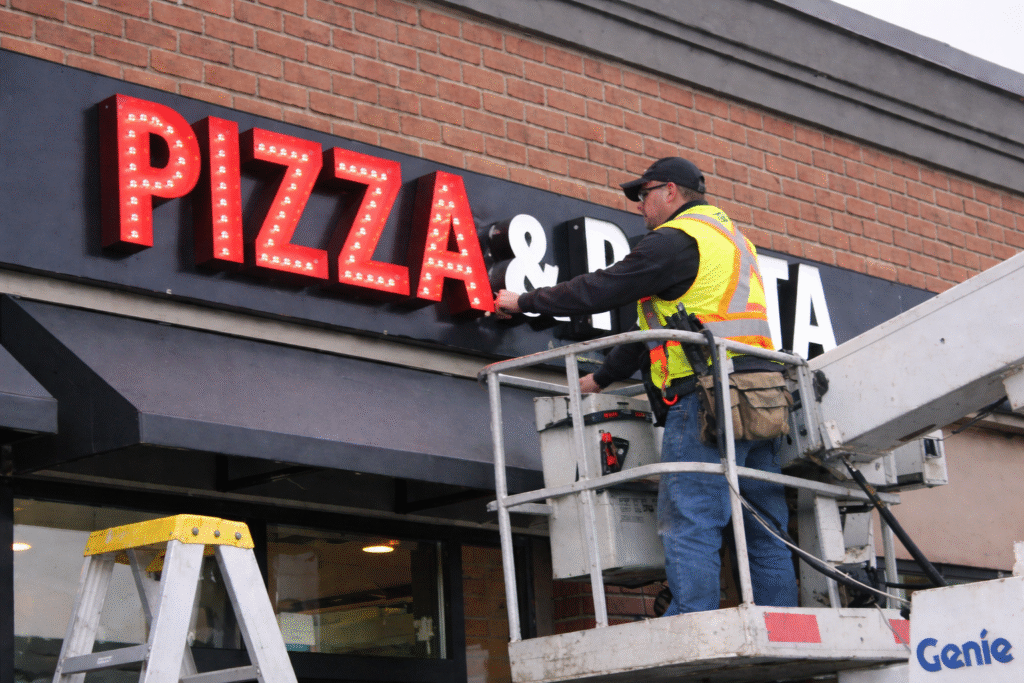
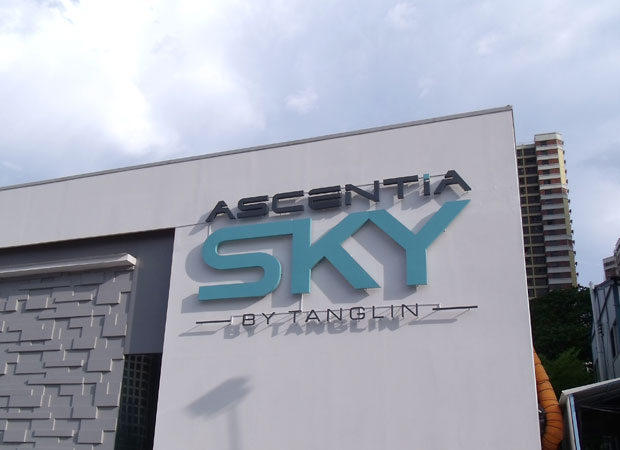
When selecting a sign for your commercial property, the first step is understanding the difference between illuminated and non-illuminated signs. Illuminated signs use lighting—either internal or external—to ensure visibility at night or in low-light conditions. Non-illuminated signs rely on natural or ambient light and are typically made from durable materials such as aluminum, plastic, or acrylic. Both types can be customized for your business needs, whether for storefronts, office buildings, or commercial complexes (Products).
Visibility and Impact on Customers
Illuminated signs have the advantage of being visible 24/7, making them ideal for businesses that operate during evening hours or in areas with low ambient lighting. They can attract attention from passing traffic or pedestrians, increasing brand awareness. Non-illuminated signs work best in well-lit areas and can still make a strong impact with bold colors, clear typography, and strategic placement. Both types should prioritize legibility and avoid overcrowding text, ensuring the message is immediately understood (FAQ).

Cost Considerations and Maintenance
Non-illuminated signs are generally more affordable upfront and require minimal maintenance, making them a practical choice for businesses with budget constraints. Illuminated signs involve higher initial costs due to lighting components, electrical installation, and ongoing energy use. However, they can provide higher exposure over time, especially for high-traffic commercial areas. Maintenance for illuminated signs may include replacing bulbs or LEDs and checking electrical connections periodically.
Choosing the Right Sign Material and Design
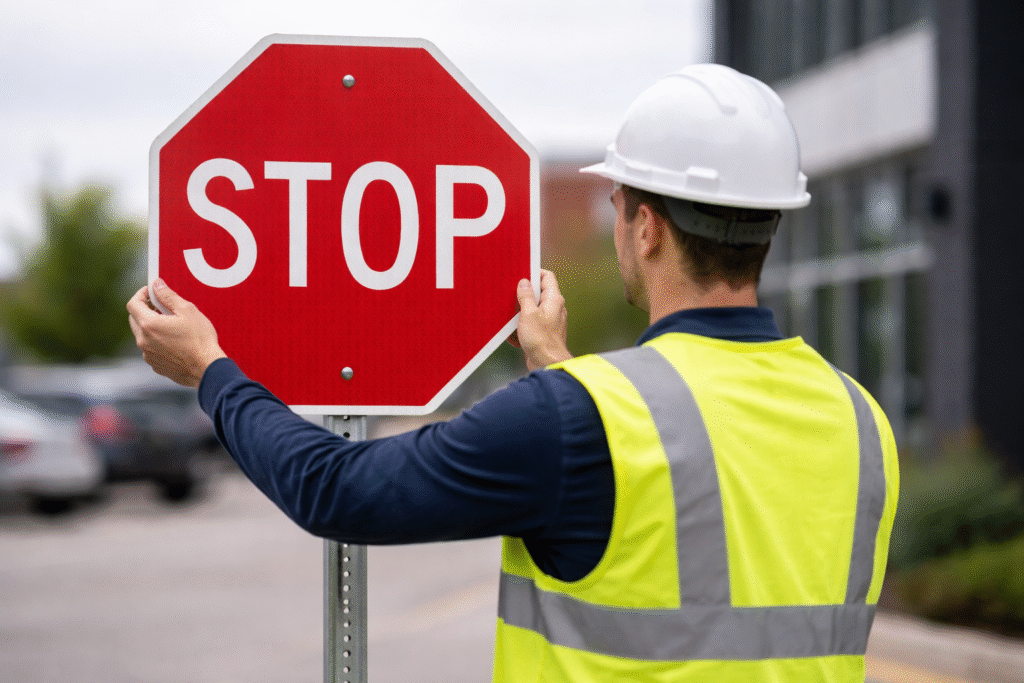
The materials you choose play a critical role in durability and visibility. Aluminum, acrylic, and plastic are common for both illuminated and non-illuminated signs, offering weather resistance and long-lasting performance (Parking Signs). Design elements like color, font, and size should reflect your brand identity and be easily readable from a distance. For illuminated signs, LED lighting or lightboxes can enhance contrast and make your business stand out, even in dim conditions (Commercial Signs).
Want to chat with a professional?
Let us contact you!
Making the Decision: What Works Best for Your Commercial Property
The choice between illuminated and non-illuminated signs ultimately depends on your property’s location, hours of operation, and budget. If your business benefits from nighttime visibility or is located in a high-traffic area, an illuminated sign may provide the best return on investment. If your property is in a well-lit area or your business primarily operates during the day, a high-quality non-illuminated sign can be equally effective. Consulting with a full-service sign provider can help you evaluate your options, choose materials, and ensure proper installation for maximum impact (Contact).
Share this post: